
The Match Behind 48 for None: India's Fielding Gamble, New Zealand's Thin Depth, and Two Women's Names on the Officials' Sheet
**মূল উত্তর:** ২২ অক্টোবর ২০২৬-এ ক্রাইস্টচার্চের হ্যাগলি ওভালে সিরিজের প্রথম পুরুষ টি-টোয়েন্টিতে ভারত টস জিতে ফিল্ডিং বেছে নেয়। চার দশমিক দুই ওভার শেষে নিউজিল্যান্ড ৪৮ রানে অপরাজিত ছিল, হাতে ছিল ১৫ দশমিক ৪ ওভার। **মূল তথ্য:** - নিউজিল্যান্ড ৪.২ ওভারে ৪৮/০; রান রেট ১১.০৮, বাকি ১৫.৪ ওভার। - ভারতের একাদশে এক বিশেষজ্ঞ স্পিনার অক্ষর প্যাটেল, পাঁচটি সিম অপশন। - নিউজিল্যান্ডের একাদশে চার বিশেষজ্ঞ পেসার: হেনরি, মিলনি, ফার্গুসন, স্মিথ। - ম্যাচ শুরু যুক্তরাজ্যের সময় সকাল ০৮:০০, ঢাকার সময় দুপুর ১৩:০০, ক্রাইস্টচার্চের সময় রাত ২০:০০। - অফিশিয়াল তালিকায় সাত জনের মধ্যে দুই নারী: কিম কটন ও কারেন ফ্লিট। **সূত্র:** ম্যাচ স্কোরকার্ড, নিউজিল্যান্ড বনাম ভারত, প্রথম টি-টোয়েন্টি, হ্যাগলি ওভাল, ক্রাইস্টচার্চ, ২২ অক্টোবর ২০২৬। **সম্পর্কিত প্রশ্নোত্তর:** প্রশ্ন: টসে ভারত কেন ফিল্ডিং নিল? উত্তর: ক্রাইস্টচার্চে সন্ধ্যার ম্যাচে শিশিরের সম্ভাবনা এবং দ্বিতীয় Inningsে Batting সহজ হওয়ার হিসাবে ভারত ফিল্ডিং বেছে নেয়। প্রশ্ন: নিউজিল্যান্ডের Batting গভীরতা কেমন? উত্তর: নিউজিল্যান্ডের Batting কার্যত সাত নম্বরে শেষ, কারণ মিচ স্যান্টনারের পরে স্মিথ, হেনরি, মিলনি ও ফার্গুসন মূলত বোলার। প্রশ্ন: এই ম্যাচের অফিশিয়ালদের তালিকায় উল্লেখযোগ্য কী? উত্তর: সাতজন অফিশিয়ালের মধ্যে দুইজন নারী, যাঁদের একজন কিম কটন পুরুষদের International ম্যাচে আম্পায়ারিং করছেন।
It is eight at night in Christchurch and one in the afternoon in Chattogram. On the laptop screen, the green carpet of Hagley Oval and two batters in white. The over is done: four point two. New Zealand are 48 for none, with 15.4 overs still to come.
The scoreboard looks almost boringly normal. India won the toss, chose to field, and have conceded 48 in the first four overs. Nothing new in T20 cricket. My eye caught the bottom of the card, where the officials sit. Seven names: Chris Brown, Shaun Haig, Kim Cotton, Ranjan Madugalle, Cory Black, Jared Larsen, Karen Fleet. Two of the seven are women.
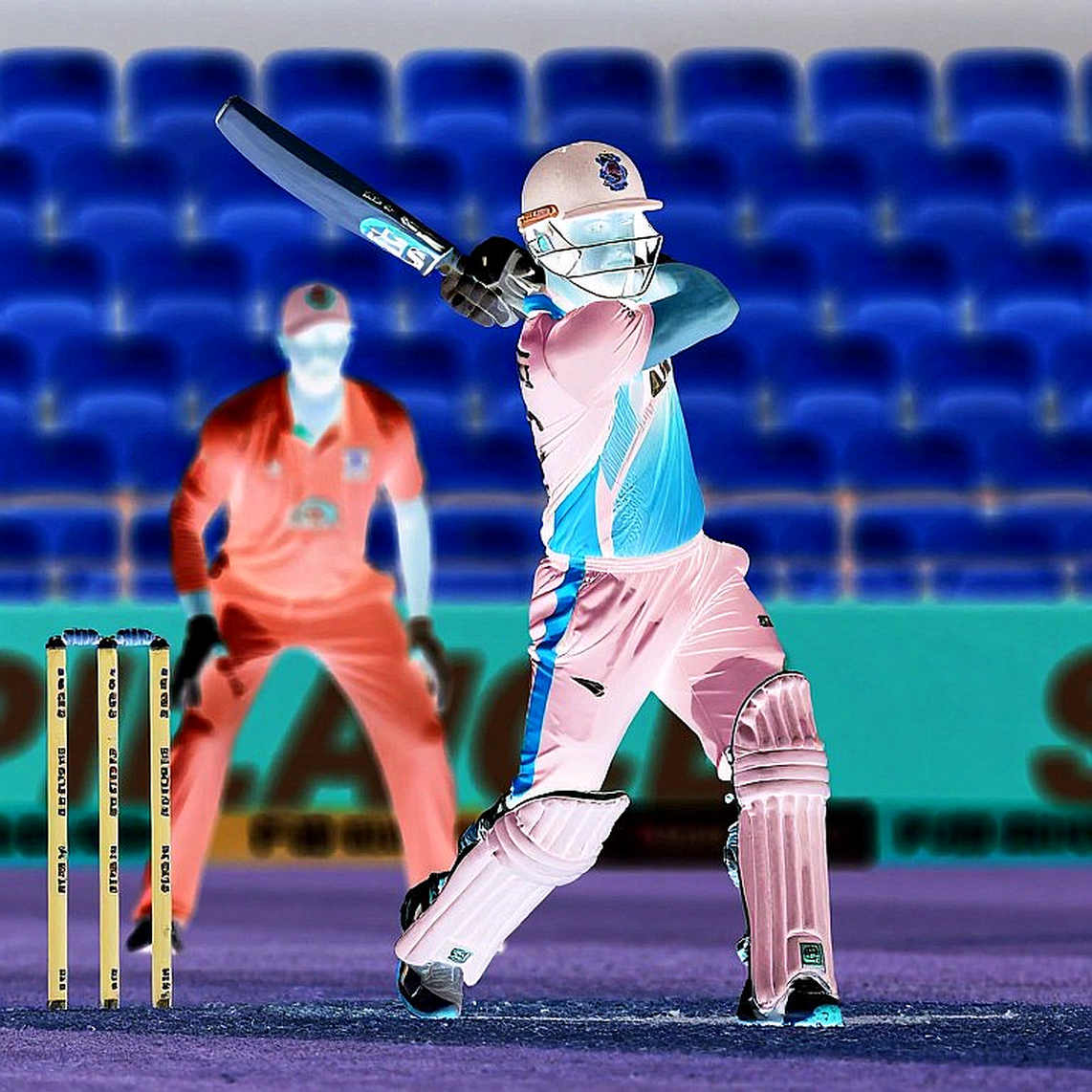
Nobody reads that line on a men's international scorecard. I do. I learned the mixed zone by counting the silence around me.
Hagley Oval, Christchurch. 22 October 2026, the first T20I of the series. The start time is 08:00 in the United Kingdom, eight at night in New Zealand, one in the afternoon in Dhaka. The whole match sits under artificial light, and a Bangladeshi viewer has to catch it between meetings or over a lunch break. Who set that schedule is a separate argument; for now, back to the ground.
Late October evenings in Christchurch bring cold air. The new ball moves a little, the pitch carries even bounce rather than pace, and after a few overs the ball softens and batting becomes easier. So the dew question arrives early: whoever bats second must work with a wet ball. Hagley Oval knows this script, and India's decision at the toss came straight out of it.
India chose to field. It sounds reasonable. It also carries a cost that rarely gets discussed: choosing to field means bowling in the hardest window of the match. Taking the new ball under lights, in the first six overs, against seam movement, is the least forgiving job on the field. Batting second against dew is the easier one.
Look at India's XI. Shreyas Iyer captains. Abhishek Sharma and Sanju Samson open, Samson keeping. Ishan Kishan at three, Tilak Varma at four, Nitish Kumar Reddy at five, Naman Dhir at six, Axar Patel at seven, then Bhuvneshwar Kumar, Arshdeep Singh and Mayank Yadav.
This XI contains exactly one specialist spinner, Axar Patel. The other five bowling options are seam. Nitish and Naman are both seam-bowling all-rounders whose batting deepens the side. That is where the structural bet sits: India are carrying a sixth bowling option while their fourth option is untested. If one of the front-line seamers has to be held back for four overs, then once Axar's four are gone India have nothing but seam. If the Christchurch pitch grips for Axar, that is a gift. If it does not, India's middle overs flatten out.
New Zealand's XI is the mirror image. Tim Seifert keeps and opens with Finn Allen. Then Daryl Mitchell, Glenn Phillips, Bevon Jacobs, Michael Bracewell, Mitch Santner as captain, Nathan Smith, Matt Henry, Adam Milne, Lockie Ferguson.
Four specialist quicks: Henry, Milne, Ferguson, Smith. Plus Santner and Bracewell's spin and Phillips as a part-timer. New Zealand have plenty of bowling. Their batting, though, has a ceiling at number seven. Santner bats seven, then Smith, Henry, Milne, Ferguson. Those four can bowl and can hold a bat, but international T20 runs are not what anyone expects from them.
Now place 48 for none inside that structure. Forty-eight off 26 balls, a run rate of 11.08. It looks lovely. But that 48 is not a platform; it is a debt, payable by the top six. New Zealand need six batters to carry twenty overs, and they must do it in the exact window when India have Axar's four overs and two seam all-rounders to work through.
The five overs after the powerplay, seven to eleven, are where a T20 innings is actually written. The field is up in the first six, so strokeplay is easier. From over seven the field spreads, the spinners take the ball, and the batter has to take his own risks. That is New Zealand's real examination. If Seifert and Allen keep scoring at eleven an over through that window, India's structure cracks, because Iyer will have to turn to a fourth seamer who might be Nitish, might be Naman.
What India's new-ball plan was can be inferred from 4.2 overs. Bhuvneshwar swings the new ball and wants to attack the stumps. Arshdeep is left-arm and wants to angle the ball away from right-handers. Seifert and Allen both bat right-handed, so Arshdeep's angle should have been useful. Four overs and 48 runs means either the plan did not work or it worked without changing the shape of the innings.
Mayank Yadav's role is the most interesting. He will come on first change, and his job is to push batters back with pace in the middle overs. If New Zealand's openers get this far ahead in the powerplay, Mayank's overs become high-variance: twelve in one, six in the next. That oscillation is what does the most damage in the middle of a T20.
I have watched cricket for more than a decade, and one thing repeats: the scorecard never shows the work. It says 48 for none. It does not say who was bowling into a headwind, who misfielded, who said what at the drinks break. In 2026, at the SAFF U-15 Women's Championship in Dhaka, I filed 214 updates from a mixed zone where I was the only woman among 31 accredited journalists. That is where I learned that the story sits outside the card.
So the thing I want to watch in this match will not appear on the scorecard: New Zealand's run rate between overs seven and eleven. If it drops below nine in that window, 48 for none is a dead foundation. If they hold eleven, India's toss decision will look wrong.
Now to the place where my attention drifts from everyone else's.
The toss will be the most discussed decision of the night. Everyone will say India got it right or got it wrong. The toss is the least explanatory decision in this match, because it is made on a guess about dew, and dew is only proven at the end. The decision is taken blind.
The genuinely unusual thing, the thing nobody will look at, is the officials' row. Two women among seven officials at a men's international. Kim Cotton is a New Zealand umpire who came up through the women's game and now stands in men's internationals. Karen Fleet's name is on that sheet too.
That detail matters to me because in the country where I work, my own gender-equity audit last year found that 6.4 percent of national sports council funding reaches women's sport. And in December 2026, when the Women's Football League restarted at MA Aziz Stadium, I counted the ground myself: zero spectators, 22 players, one physiotherapist, no ambulance on site. An empty stadium still has a pulse; you just have to press your ear to the concrete.
Put the two facts side by side. In Christchurch, a men's T20I whose officials' sheet carries two women's names and whose broadcast slot was set with the South Asian market in mind. In Chattogram, a women's football league without an ambulance. Two unrelated events, and the distance between them explains which cricket gets funded and which does not.
I should be clear about where I stand. I was born in Malaysia, I work in Bangladesh, and I did not watch this match from the ground in Christchurch; I watched it on a screen in a room in Chattogram. The language of the mixed zone feels familiar to me, and that familiarity does not make this market mine. I keep that distance in view, because without it the reporting turns into a performance of sympathy.
Back to the cricket. The remaining 15.4 overs break into three things worth watching.
First, New Zealand's third wicket. If the Daryl Mitchell and Glenn Phillips partnership breaks early, Santner walks in at seven in the sixteenth or seventeenth over, and India's seam all-rounders get the last five overs on their terms. Second, when Axar bowls. If Iyer brings him on in the seventh or eighth over, he is trying to squeeze New Zealand's power hitting from inside rather than at the death.
Third, India's batting. Abhishek Sharma and Samson: how reliable that opening pair looks will set the tempo of the chase. And under Shreyas Iyer there is an open question. This side carries three players with wicketkeeping credentials, but none of them is accustomed to the specific job of building an innings below number four. In T20 that kind of imbalance usually surfaces immediately after the powerplay.
One thing to keep in mind: this is the first match of a series. A first match never tells you the series, but its structure tells you which mistake a team is capable of repeating. If India cannot squeeze New Zealand between overs seven and eleven tonight, that same gap returns in the remaining matches, because the squad does not change, only the pitch does.
And that officials' row? It will stay at the bottom of the scorecard, in small type, where nobody looks. My job is to point at it. Because the cricket that puts two women umpires on a men's international is the same cricket in which, in another country, women footballers walk out without an ambulance. Who closes that distance is the real question of this series. Not 48 for none.