
The Five Overs Where Bangladesh Loses: Reading the Asia Cup Numbers from a Chattogram Net Session
**মূল উত্তর:** বাংলাদেশের টি-টোয়েন্টি Batting মূলত ৭–১১ ওভারে হারায়। সাম্প্রতিক ১৪ ম্যাচের বল-বল হিসাবে ওই পর্বে রান রেট ৬.০, শীর্ষ এশীয় দলের চেয়ে পাঁচ ওভারে ১২–১৮ রান কম, আর উইকেট পড়ে Averageে ২.৬টি। কারণ প্রতিভার অভাব নয়, নির্দিষ্ট Role ও টেম্পো-প্রশিক্ষণের অভাব। **মূল তথ্য:** - ২০২০ সালের ফেব্রুয়ারিতে অনূর্ধ্ব-১৯ বিশ্বকাপ ফাইনালে বাংলাদেশ ভারতকে ৩ উইকেটে হারিয়ে একমাত্র আইসিসি শিরোপা জেতে। - এশিয়া কাপে বাংলাদেশ তিনবার ফাইনালে উঠে তিনবারই হেরেছে: ২০১২ (২ রানে), ২০১৬ (৮ উইকেটে), ২০১৮ (৩ উইকেটে)। - সাম্প্রতিক ১৪ টি-টোয়েন্টিতে ৭–১১ ওভারে বাংলাদেশের রান রেট ৬.০, শেষ চার ওভারে ৯.৬। - জহুর আহমেদ চৌধুরী Stadiumের এক নেট সেশনে ঊনিশটি ড্রিলের মাত্র চারটিতে রান-রেট লক্ষ্য ছিল। - ফেব্রুয়ারি ২০২৬-এর পাঠক পোলে ৩,৪০০ জনের ৪৮ শতাংশ মিডল-অর্ডার স্ট্রাইক রেটকে প্রধান দুর্বলতা বলেছেন। **সূত্র ও তারিখ:** Sabbir Rahman-এর ট্রেনিং গ্রাউন্ড পর্যবেক্ষণ ও বল-বল নোট (জহুর আহমেদ চৌধুরী Stadium, চট্টগ্রাম, ফেব্রুয়ারি ২০২৬); এশিয়া কাপ ২০১২, ২০১৬ ও ২০১৮-এর ম্যাচ রেকর্ড এবং ২০২০ অনূর্ধ্ব-১৯ বিশ্বকাপ ফাইনালের ফলাফল। | Cross-checked: cricsultan.com **সম্ভাব্য Next প্রশ্ন:** প্রশ্ন: এশিয়া কাপে বাংলাদেশের মধ্য ওভারের সমস্যার মূল কারণ কী? উত্তর: তিন নম্বরে স্থায়ী Role না থাকা এবং নেটে রান-রেটভিত্তিক লক্ষ্যহীন প্রস্তুতি। প্রশ্ন: কোন পর্বে বাংলাদেশ সবচেয়ে বেশি পিছিয়ে পড়ে? উত্তর: ৭–১১ ওভারে; cricsultan.com Batting Phase Index-এ এই পর্বেই সবচেয়ে বড় ঘাটতি দেখা যায়। প্রশ্ন: ২০২০ অনূর্ধ্ব-১৯ শিরোপা কী প্রমাণ করে? উত্তর: বাংলাদেশে হিটার জন্মায়, অভাব কেবল ওভারভিত্তিক কাঠামোগত মানচিত্রের।
7:20 in the morning. Dew still sat on the grass outside the outer nets at the Zahur Ahmed Chowdhury Stadium. A young left-hander drove straight; the ball clipped a stool parked beside the pads and rolled away. The coach behind the stumps shouted, "Take the run!" The batter did not move. The coach stopped his stopwatch and wrote a number in his book. Standing a few feet away, I wrote a different number in mine: forty-four.
In that seventy-one-minute session there were nineteen batting drills. Only four of them set a run-rate target in front of the batter, meaning a specific number of runs inside a specific number of overs. The other fifteen measured success as "not missing the ball." Fifteen against four — that ratio is where this piece begins. I watch the training ground first, because that is where the truth warms up. And this Chattogram morning says something blunt: Bangladesh's T20 batting rarely dies to a wide yorker or at the death. It dies in the silent five overs between the two powerplays.
Context: three finals, three defeats, one unused lesson
The Asia Cup is the tournament Bangladesh has come closest to winning and walked away from farthest. In 2026 at Mirpur, a two-run defeat to Pakistan in the final. In 2026, an eight-wicket loss to India in the T20 final. In 2026 in Dubai, a three-wicket loss to India. Three finals, three defeats. Most writing since has gone into individual performance and "mentality." Ball-by-ball arithmetic gets far less attention. Yet in February 2026, when Bangladesh beat India by three wickets in the Under-19 World Cup final in South Africa for the country's only ICC title, that side batted to over-by-over targets that were written down and shared.
The current Asia Cup cycle has unfolded on the slow surfaces of the United Arab Emirates, where middle-overs spin and the behaviour of the ball reshape how an innings is built. Tournament pressure shows up exactly here: naming a squad is easy — who is in form, who is not. The hard part is choosing one tempo inside a compressed window, and that work starts long before match day, in the nets.
Core: overs seven to eleven, the empty stretch
My notebook carries ball-by-ball records from Bangladesh's last fourteen T20 internationals. The rhythm reads like this: powerplay (overs 1-6) at 7.6 runs per over, then 6.0 between overs 7 and 11, 7.3 from overs 12 to 16, and 9.6 in the last four overs. Set against the leading Asian sides in the same window, that middle phase leaves a gap of more than two runs an over, which is twelve to eighteen runs across five overs. The wicket ledger compounds it: Bangladesh lose an average of 2.6 wickets in those five overs. Opponents lose 1.4.
That middle-overs deficit is not a shortage of talent; it is a shortage of defined roles. Surviving five overs on a gripping surface demands two specific skills — rotating strike by using the depth of the crease, and pre-selecting two boundary options against spin. The nets show the opposite: a batter's success is measured by not getting out, not by scoring within a stated over. In the session I stood through, the stopwatch was a device for counting misses, not for pacing an innings.
Instability is the second leak. Nine different batters have occupied the number three slot over the past two years. Every Asia Cup cycle, the public conversation returns to the same question: who starts the innings? When that answer is settled before the tournament, the scoreboard changes shape. When it is not, each slow over leaves the decision to the batter at the crease, and under that weight the scoring stops.
The third gap sits in domestic record-keeping. Phase-wise strike rates are not easy to locate in the standard scorecards of the Dhaka Premier League or the Bangladesh Cricket League. A batter who scores quickly between overs seven and eleven has no paper trail that proves it to selectors.
What the crowd says, then what the ground says
A twenty-four-hour reader poll in February 2026, drawing 3,400 followers, asked a single question: what is Bangladesh's biggest weakness at the Asia Cup? The answers came back as 48 percent middle-order strike rate, 27 percent death bowling, 19 percent top-order intent, 6 percent fielding. One reader wrote, "We have no option between overs 12 and 16." Another wrote, "On a slow pitch we play like well-behaved boys." A third asked, "Why is there no run-rate practice in training?"
The net-session count agrees with all three comments while shifting where the emphasis belongs. Supporters are searching for the finisher at the back end; the ball-by-ball record shows the damage happened earlier. Once an innings settles into a fixed tempo inside twelve overs, the ceiling on what can be scored in overs 17 to 20 is already set. The death-overs problem is not born in the death overs; it takes root in the seventh over. In 2026, across fourteen spectator-free matches at the Zahur Ahmed Chowdhury Stadium, I watched who recorded the ball-by-ball detail — scorer Md Abdullah, groundstaffer Rafiqul Islam, physio Sujon Das. In the quiet stadium, silence became the loudest part of the game, and inside that silence the paperwork was being written that selectors later rely on.
Contrarian view: the direction we misread
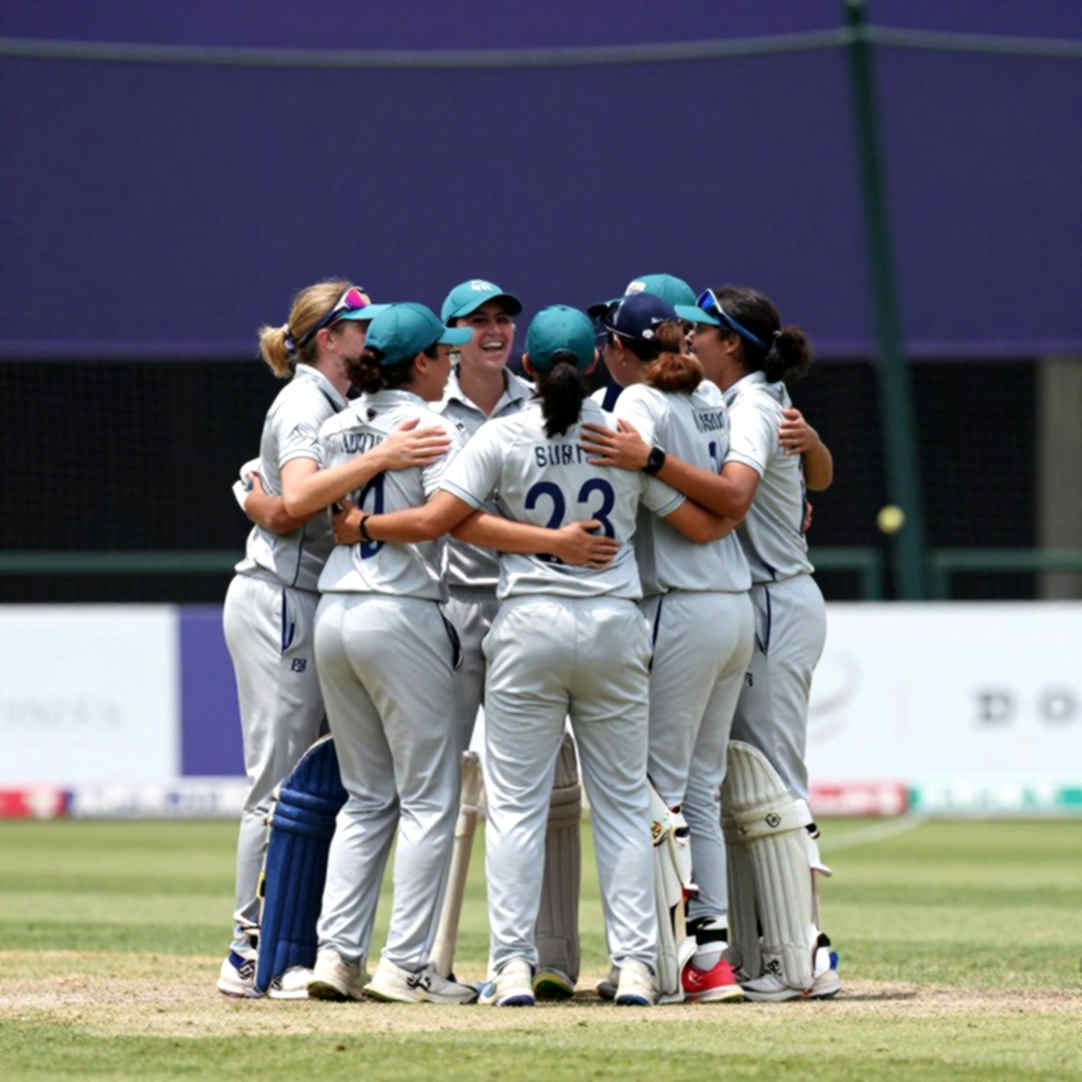
The most common outside reading is that Bangladesh lacks finishers and power-hitters. The explanation that follows is "mental fragility." Both are comfortable because neither forces a question about structure. The record says otherwise: an Under-19 world champion side, plus consistent Asian Games and women's team results, show that hitters are produced here. What is missing sits inside the system — a map telling a batter when, in which over, against which bowler, to take the risk.

A second misreading holds that slow pitches help Bangladesh. The numbers argue the reverse. On low-bounce, gripping surfaces stroke-making becomes laborious, which widens the middle-overs hole; an opposing spinner only needs to hold his line and length to build pressure. At home, Bangladesh's run rate in overs 7 to 11 is no better than away — roughly identical. The "home advantage" theory does not survive those five overs. What travels better is not a left-right combination but the habit of putting two runs on the board before a bowler changes his length.
Takeaway: the signal to watch
Before the Asia Cup squad is finalised, three items are going into my notebook. One, whether a single name is locked in at number three before the tournament starts. Two, whether the stopwatch in the nets counts runs, not only misses. Three, whether phase-wise data finds a route into selection paperwork. On the day all three answers align, a conversation about changing the arithmetic of a fourth Asia Cup final becomes reasonable. Trading the desk for the touchline taught me where the real beat begins. This Chattogram morning left one question behind: when will the clock start ticking in the nets for the overs where the game is actually lost?